
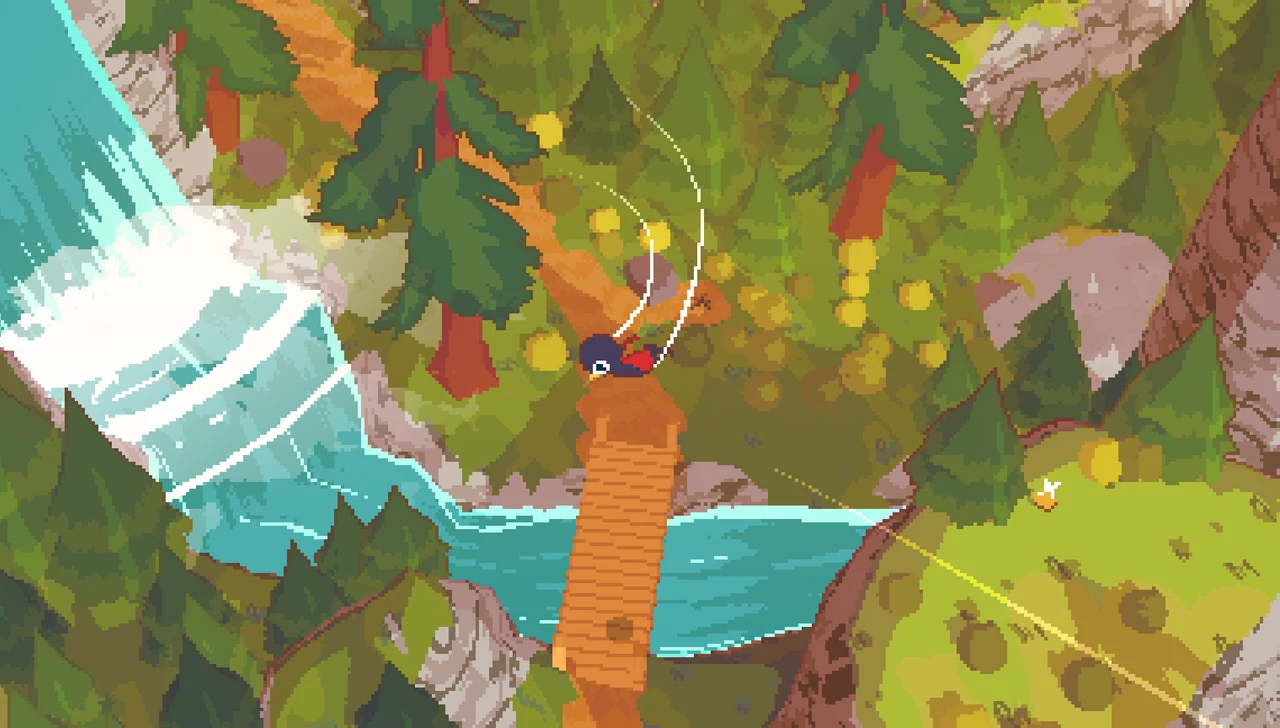
Follow a feeling, not a score
Begin with a mood or an activity: wandering, building, solving, laughing, or learning a rule with someone else. Those words describe the experience you want more usefully than a universal score. A small game can do one thing beautifully without needing to compete with the scope of a large release.
Choose one or two tags and follow an interesting project to its creator. Their other work may reveal a recurring idea or a different interpretation of the same mechanic. Keep a short personal list of discoveries rather than opening so many tabs that browsing becomes the entire evening. There is no requirement to finish everything you try.
Read the creator’s page
A project page is part of the work’s introduction. Look for the supported operating systems, browser or download format, input controls and content guidance. A browser version does not automatically support a phone; a download may need a particular system. Check whether there is a completed release, an early version or a small demonstration.
Read the creator’s own description before treating comments as a verdict. Development notes can explain what changed and what remains unfinished. If the page offers several files, take a moment to identify the right one. Follow links from the creator’s official project page, and avoid files presented as unrelated installers or account fixes.
Treat a prototype as a prototype
A game-jam project often explores one idea under a constraint. Approach that idea on its own terms: an unusual movement system, a single room or a story told through a few choices. Rough edges are useful context, but they do not make every technical problem part of the artistic intention. Stop if the software asks for permissions you cannot explain.
Where saving is available, understand whether progress belongs to a browser session, a local file or an account. Do not assume it will move to another device. If feedback is invited, describe what you did and what happened. A precise observation helps a creator more than a demand that a miniature project become a much larger game.
Support deliberately
Free access, a fixed price and pay-what-you-want are different arrangements. Read the actual minimum price, included files and purchase conditions before deciding. Spending should reflect your interest and available budget; choosing a free project is also a valid way to explore. Do not treat an optional payment as a requirement unless the listing makes it one.
Our itch.io guide is a route into creator-led storefronts, while Newgrounds offers a different community context around games and other creative work. Neither review endorses every upload. Use the platform profile for orientation, the project page for the individual decision, and the linked source sheet when access conditions matter. Leave room for a discovery to surprise you.
Compare the underlying access conditions in our sourced platform fact sheet. Platform references are supported by the official sources linked in our platform reviews. Guidance reflects editorial judgement; check current platform conditions before using a service.